Our mission
Our mission is to help people truly see and understand the systems they run, and ultimately, to let AI run them.
The factories that make what we use, the plants that treat our water, the grids that keep the lights on. The people running them should be able to understand what is happening inside them.
Today, that starts with the equipment keeping production moving. Machines often give warning before they stop: a bearing changes its vibration, a motor runs hotter, or a pump behaves differently at the same load. Those signals can be hard to see when the right measurements are missing or the data is scattered.
Control Seat exists to change that.
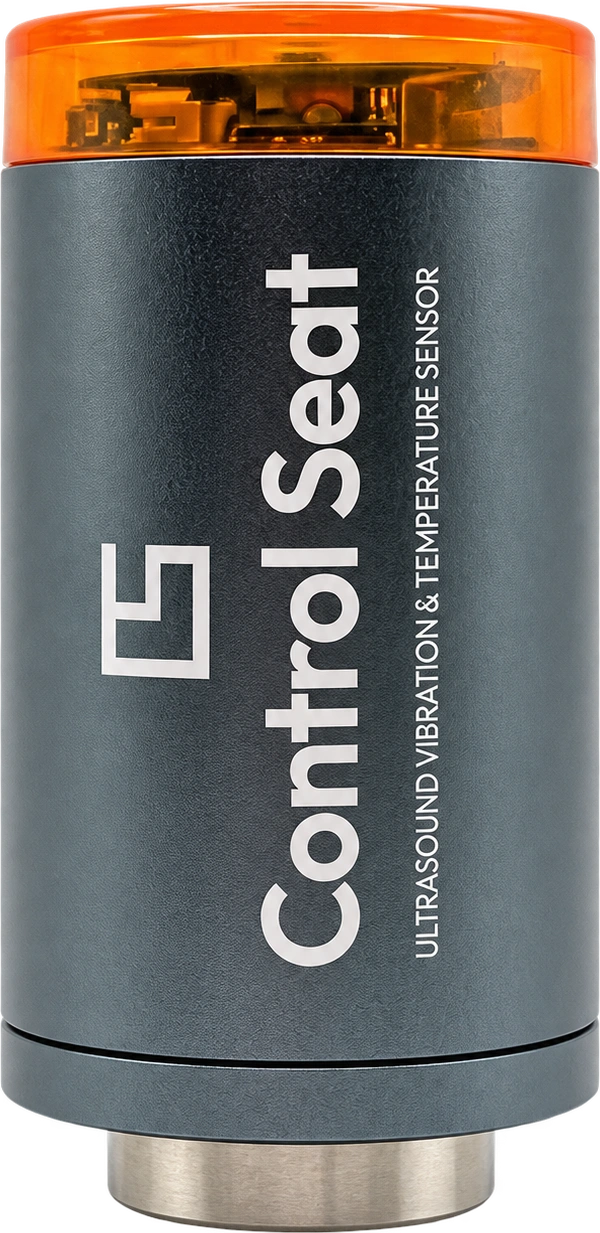
We build sensors and software that flag developing problems, explain likely causes, and show teams what to check. Use our sensors, existing plant data, or both. We work with the people who know the equipment.
As the picture becomes clearer, a plant becomes something people can ask questions of and act on with confidence. Starting with equipment health lets us build that understanding one machine and one maintenance decision at a time.
Our long-term mission is to become the operating system for the physical world. A platform that enables AI to monitor and control the physical systems around us, so people can focus on what makes us human.
Let’s talk about your equipment.
Tell us what you run. We’ll help you choose where to start.